
 Crosslinking Surgery: A Therapy for Keratoconus
Keratoconus is a progressive eye condition characterized by the thinning and bulging of the cornea. If left without treatment, it can bring about extreme aesthetic problems and also may call for corneal hair transplant. However, thanks to developments in ophthalmology, there is a minimally intrusive surgery called crosslinking surgery that uses intend to people with keratoconus.
Crosslinking surgical procedure aims to strengthen the cornea and halt the progression of keratoconus. The procedure entails the application of riboflavin (vitamin B2) eye drops to the cornea, followed by direct exposure to controlled ultraviolet (UV) light. This combination promotes the development of new collagen fibers and also increases the cornea’s stability.
There are two types of crosslinking treatments: epithelium-off (trans-epithelial) and epithelium-on (transepithelial). The epithelium-off method involves the elimination of the thin external layer of the cornea (epithelium) to allow better penetration of the riboflavin drops. On the other hand, the epithelium-on procedure leaves the epithelium intact, minimizing postoperative discomfort and healing time.
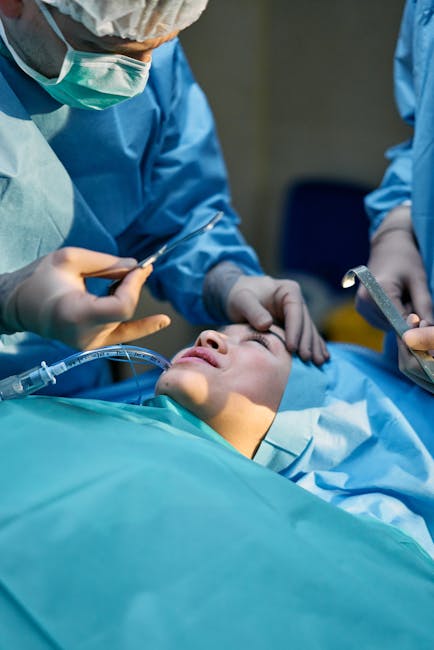
Throughout the surgical procedure, the individual is positioned pleasantly, as well as anesthetic eye declines are provided to numb the eye. The ophthalmologist carefully removes the corneal epithelium in the epithelium-off method or leaves it intact for the epithelium-on strategy. After that, riboflavin declines are used at normal intervals, allowing the cornea to take in them. After a sufficient absorption duration, UV light is directed onto the cornea for a particular duration. A bandage call lens is usually put on the eye to secure it during the initial recovery stage.
Following crosslinking surgical procedure, people commonly experience light pain, sensitivity to light, as well as blurred vision. These signs progressively decrease within a week or more. It is essential for patients to vigilantly follow their cosmetic surgeon’s postoperative instructions, consisting of the use of prescribed eye decreases and staying clear of rubbing the eye.
The advantages of crosslinking surgery are considerable. It aims to slow down or halt the progression of keratoconus, avoiding the need for even more intrusive treatments like corneal transplant. The procedure reinforces the weakened cornea, boosting its shape as well as security. Crosslinking surgical treatment has shown encouraging lead to maintaining the problem and enhancing vision in lots of patients.
Finally, crosslinking surgical treatment is an important treatment choice for people with keratoconus. By using the power of UV light and riboflavin, this surgical procedure can reinforce the cornea, reduce the progression of the condition, as well as potentially boost aesthetic end results. If you or someone you understand has keratoconus, speaking with an eye doctor regarding the suitability of crosslinking surgery is a sensible action to take.
The Ultimate Guide to
Looking On The Bright Side of